

To celebrate World Sleep Day, wearable smart health tech outfit Oura invited me to an evening retreat at Sydney’s Centennial Park.
At the event, Oura launched its ANZ: The State of Sleep Report 2026. Based on data obtained from the company’s Oura smart ring devices, the report lists Australians as some of the world’s best sleepers, just beaten by our mates across the Tasman when it comes to a good night’s kip.
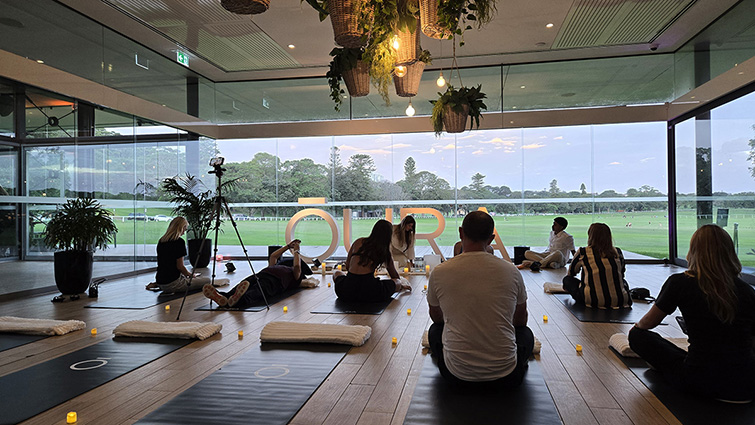
Doug Sweeney, Oura’s chief marketing officer, addressed the crowd at the Sydney event.
“What we’re seeing in Australia and New Zealand is a reminder that sleep duration alone doesn’t tell the full story,” said Doug Sweeny, CMO at Oura. “Recovery is a 24-hour equation: if stress isn’t managed during the day, the body carries that load into the night. The encouraging thing is that many of our members here are already working with their bodies – waking early, going to bed early, and aligning their daily rhythms with their biology, something they can do confidently with Oura.

Australians average 74 minutes of deep sleep per night, while New Zealanders average 72 minutes. REM sleep is similar in both countries, at 94 minutes. 43% of Australians and 39% of Kiwis are early morning or morning types. The average bedtimes are around 10:46 PM in NZ and 10:51 PM in Australia with wake times of around 7:05–7:07 AM. Despite these long sleep durations, stress levels are high, especially in Australians. Australians face 107 minutes of physiological stress daily, with Kiwis close behind at 101 minutes.
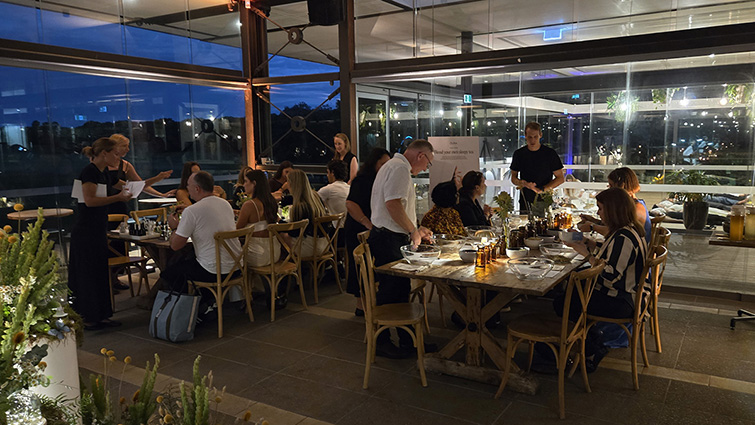
The report suggests that Australians and New Zealanders recognise if they are morning or night person and adjust their habits accordingly. Maintaining regular bedtimes and wake times with small, long-term habit changes supporting better sleep health. Smart health monitoring devices like the Oura Ring 4, which launched in Australia and New Zealand late last year, can analyse sleep patterns and offer guidance.
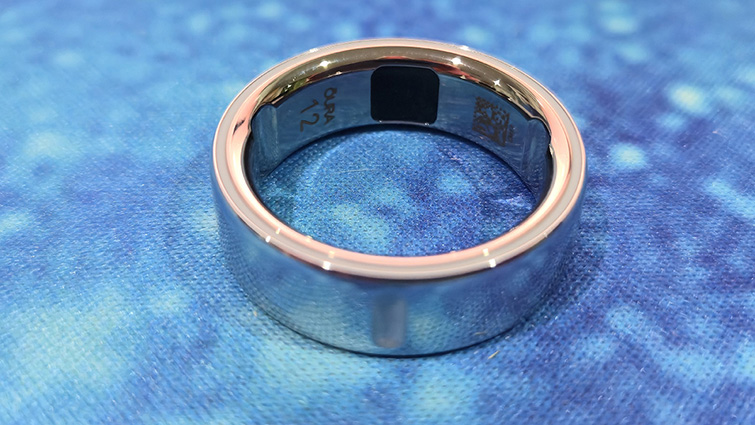
The Oura Ring 4 is a light titanium smart ring available in a variety of colours. A suite of sensors around the inside of the ring monitors the wearer’s health via things like heart rate, skin temperature and movement. Using AI, the ring can analyse the data to report on a range of health statistics such as activity intensity, stress and sleep stages. The Oura app can take these results and further interrogate them using graphical representations and suggest personalised improvements.
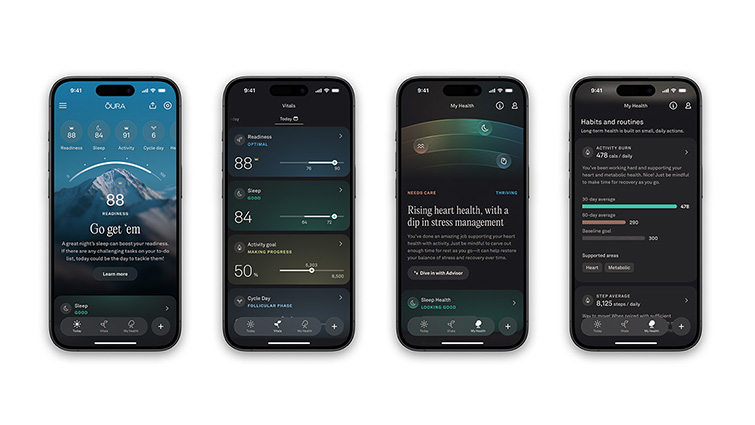
The evening highlighted that sleep, stress, and daily rhythm are all part of the same story, and that tech like the Oura Ring 4 is giving people a clearer view of how they fit together. Aussies and Kiwis might be good sleepers, but daytime stress still takes its toll. Oura’s report suggests that with a few steady habit tweaks and the right insights, anyone can better sync their routine with their natural rhythm and wake up feeling more refreshed.