
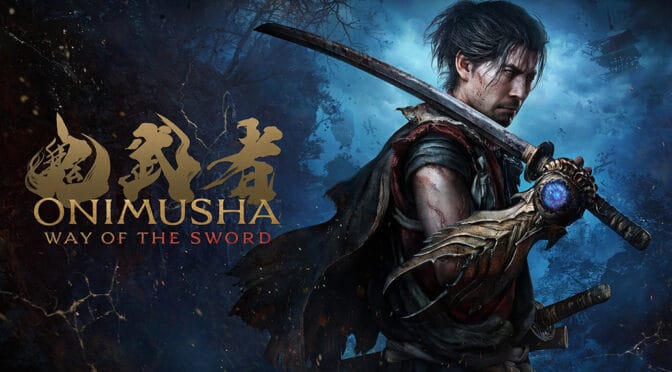
Onimusha: Way of the Sword resurrects one of Capcom’s much-loved action franchises with its first new mainline entry in 20 years.
A precursor and inspiration for Capcom’s other revered action franchise, Devil May Cry, the Onimusha games practically pioneered 3D button-mashing sword-fighting games. Each iteration features a new protagonist, but all are skilled swordmen imbued with the power of an oni. This new game preserves the premise of the earlier games, but updates the gameplay to be a more focused, but still accessible, sword-fighting experience.
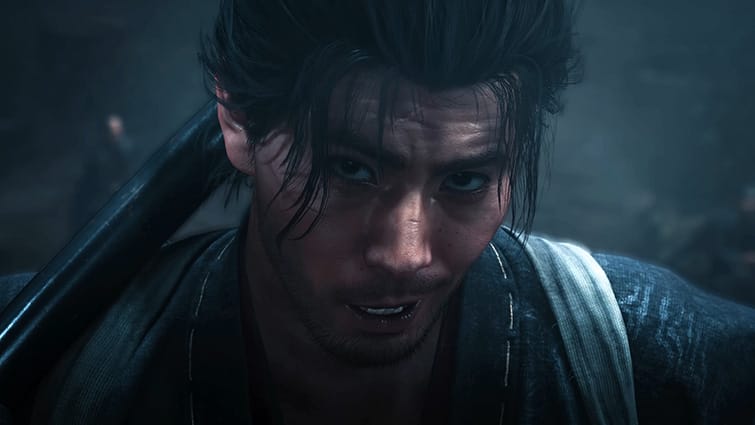
Onimusha: Way of the Sword follows Miyamoto Musashi, a real-life and very famous 16th-century Japanese swordsman. The game portrays him as a young man with more than a bit of Indiana Jones swagger. The character is modelled after Japanese actor and producer Toshiro Mifune, a frequent collaborator with Akira Kurosawa. Kenichiro Thomson’s English-language vocal work only adds to the character’s charm.
But rather than being just some sort of samurai tale, the game continues the supernatural theme of its forebears. In the opening sequence of the game, Miyamoto is killed by demonic creatures known as Genma. In Hell, he is infused with an oni gauntlet and resurrected; the voice of an oni trapped inside advises him that if the gauntlet is removed, he will die.
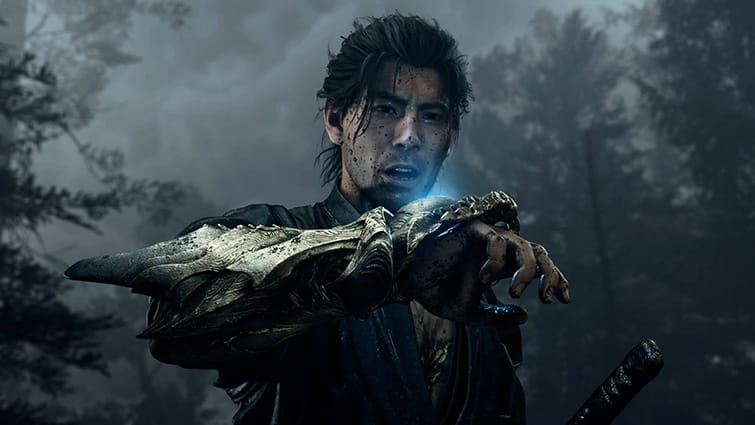
Finding a mentor of sorts in a man named Takamura, who also has an oni gauntlet, Miyamoto learns that, as an Onimusha, the oni has tasked him with guarding the gates of Hell against the Genma. Players must guide Miyamoto as he explores the Genma-occupied recreation of early Edo-era Kyoto.
The original Onimusha games were 3D combat games set against a pre-rendered backdrop. The protagonist would progress through the detailed scenery, peppered with cutscenes and boss fights. They were linear affairs, and a product of their time.
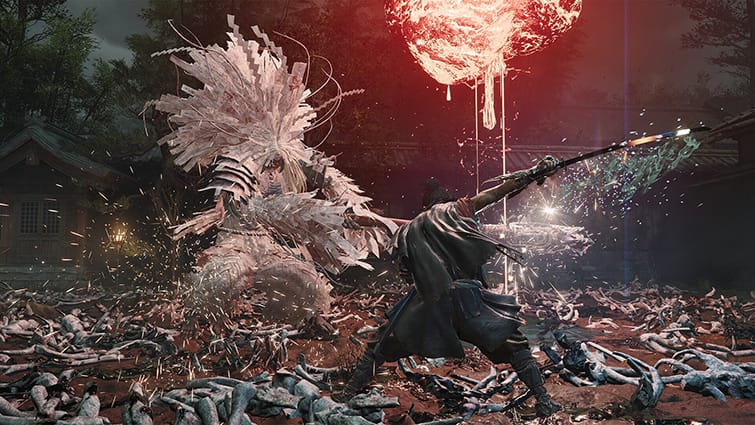
Onimusha: Way of the Sword understandably reimagines the gameplay as a semi-open world action-adventure game, with a main quest and side missions. But Assassin’s Creed Shadows it is not, nor is it Ghost of Yotai. It’s also not a Soulslike (else I wouldn’t be playing it).
How you get on with Onimusha very much depends on how you like your combat. Combat is the standard block/parry/strike with rewards for good timing. Unlockable combos keep things fresh. The balancing does seem a bit off at times. At first, I thought I was playing in story mode right up until a gruelling boss battle brought me to my knees. With only two difficulty levels, you need to choose between embarrassingly easy and moderately difficult, with the odd insanely hard boss.
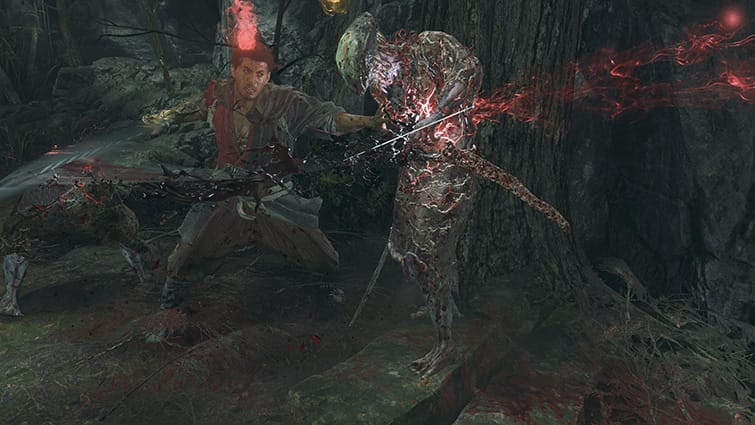
It’s likely going to be too easy for the Souls crowd, who otherwise would be the ideal demographic, but it’s also a bit too restrictive for fans of modern action-adventure games. This superhuman swordsman is easily blocked by obviously traversable detritus, a mechanic that feels like outdated, 1990’s invisible-wall sort of stuff.
Capcom’s RE Engine, the same one used for the Resident Evil games, does a great job of recreating Kyoto, which feels like a real city, with its population facing the invading Genma. There’s loads of detail in the buildings, which have a very authentic feel. This detail continues with the various character models that not only look very lifelike but are also very well animated. The game’s graphical prowess adds another level of polish to Onimusha’s welcome return.
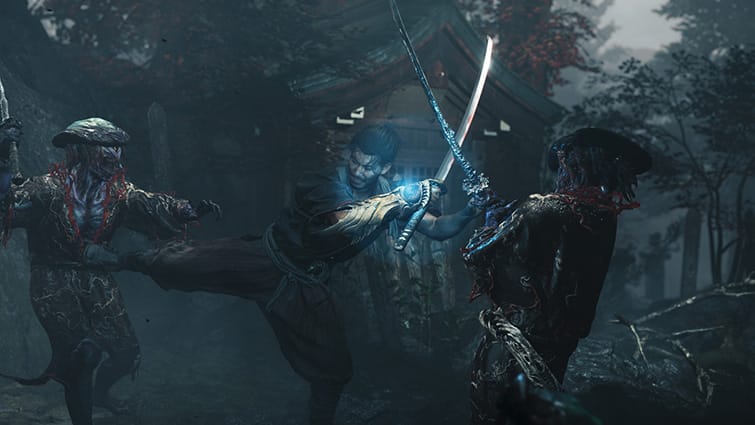
Onimusha: Way of the Sword navigates a treacherous path between genres that may alienate some. It succeeds through its cinematic flair, which Capcom has clearly heavily invested in. As much as it was great to revisit an old favourite, the game still feels too much like the generic Capcom fare of old to really shine.
Rating: Good