
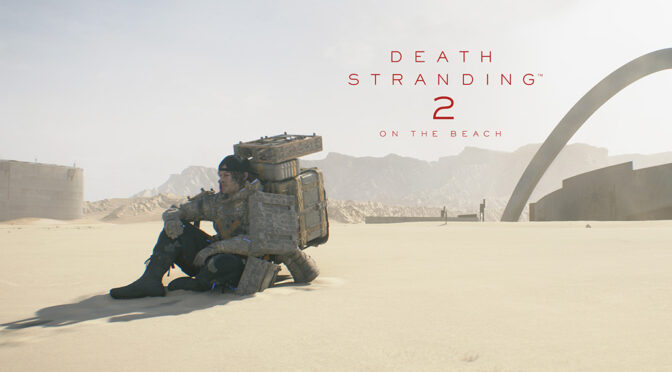
Death Stranding 2: On the Beach, the sequel to Hideo Kojima’s 2019 walking simulator, comes to PC.
With an expanded scope and more refined gameplay, Sam Bridges puts on his backpack and steps out into a gorgeous, yet treacherous, world. But is this the sequel we need, and how does the PlayStation 5 game feel to play, ported to PC?
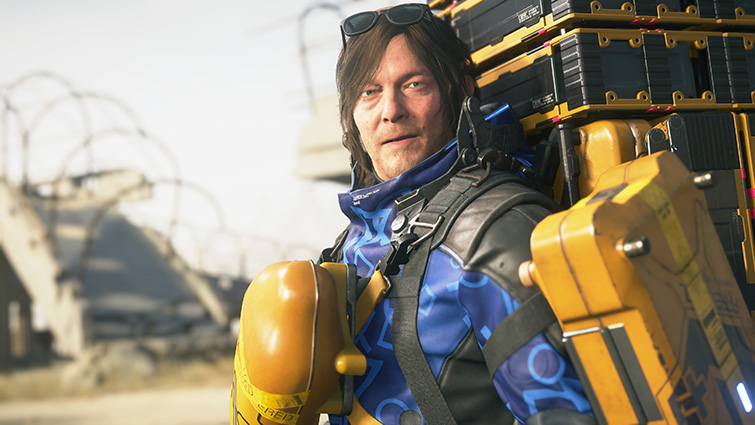
Like its predecessor, Death Stranding 2 is an acquired taste. The awkward, sometimes fractured, sometimes lost-in-translation dialogue that made Kojima’s previous opus, Metal Gear Solid, so quirky is still present, though very much toned down. It’s as if the English-speaking cast finally got up the courage to mention to the auteur that, as Harrison Ford famously said to another esteemed sci-fi director, “You can’t say that stuff. You can only type it.”
The game has a summary of the story so far for those who haven’t played the first game (or gave up without finishing it), which will get you up to speed. The basic premise is that there was an event, the titular Death Stranding, that allowed benevolent creatures to roam the earth. These BT’s, or Beach Things, originate in a realm between death and the afterlife called The Beach. The creatures are derived from the bodies of the dead that undergo a process called necrosis if not cremated in time. If a BT kills someone, a voidout occurs, creating a huge explosion that leaves an equally big crater. A side effect of a voidout is a timefall – rain that ages anything that it touches.
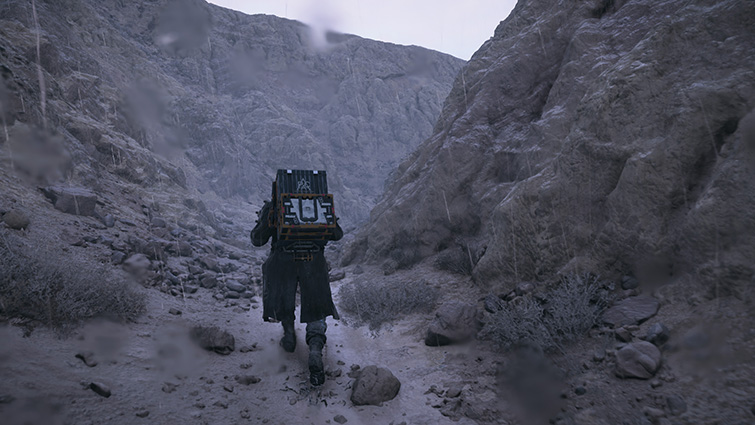
In the apocalyptic world of Death Stranding 2, as with the first game, most of humanity is disconnected and lives in the relative safety of underground bunkers, some with thousands of people. This is where the porters come in, specifically Sam Bridges.
Guerrilla Games’ Decima engine once again delivers a photorealistic environment for Sam Bridges to traipse through, delivering his packages and unlocking the Chiral Network with his Q-pid necklace along the way. Thank goodness the game has an ever-expanding glossary to keep up with all the game’s sci-fi technobabble.
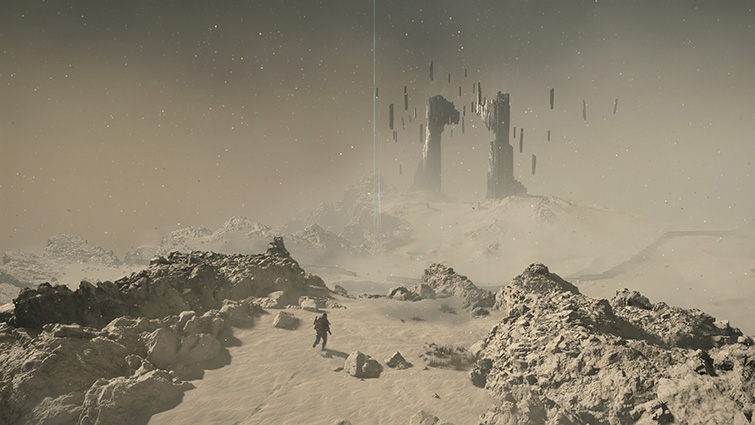
For this sequel, the scale has been ramped up. Sam’s journey takes him south into Mexico and then through a portal to Australia, connecting more settlements to the Chiral Network. The different locations that Sam visits are all very similar. Each bunker features cookie-cutter rooms for Sam to freshen up in.
As with the first game, building equipment, structures and vehicles to help Sam make his deliveries in a hostile world is a big part of the game. Whilst it may seem peculiar, you get a massive sense of satisfaction delivering your cargo when you reach your destination, sometimes across terrain that does its best to disrupt your journey.
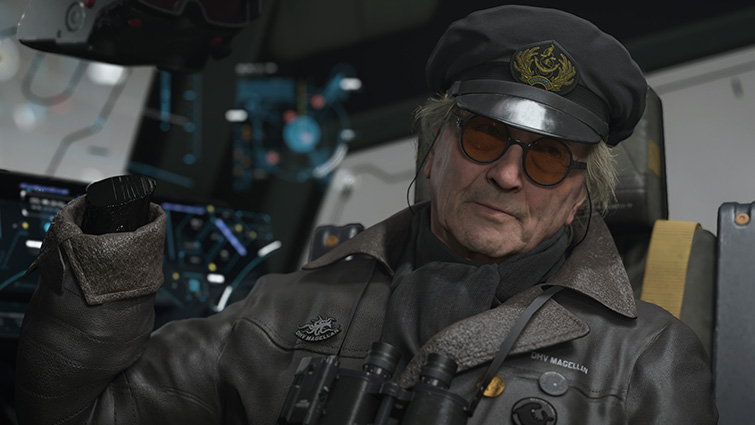
The game has an impressive cast, headed by The Walking Dead’s Norman Reedus and Sam Bridges, joined, once again, by Léa Seydoux as Fragile. Elle Fanning joins the cast as Tomorrow, and there’s even a cameo by Mad Max director George Miller who lends his face to the game (but is voiced by Marty Rhone) as Tarman.
Tarman is the pilot of the DHV Magellan, Drawbridge’s base of operations, a submersible ship that travels through tar between places Sam has connected to the Chiral Network. As the plot is key to the game, I’ll leave it there, even if the game has been out on PlayStation 5 for ages.
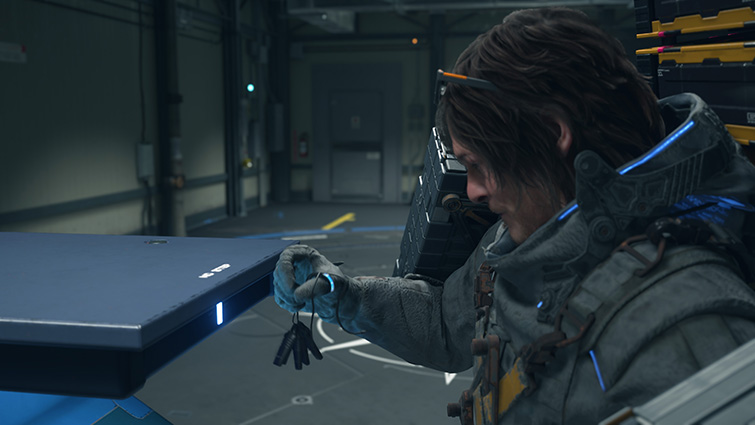
Like its predecessor, Death Stranding 2 feels like a slightly unnerving 1980s high-concept sci-fi movie that borders on horror. It’s a unique experience that melds Western aesthetics with Eastern storytelling, much like Kojima did with his groundbreaking Metal Gear games.
Both Death Stranding and Death Stranding 2 appeal to my desire to play truly unique games. Whereas the first game got a pass for its somewhat mediocre gameplay due to that unique experience and the breathtaking environments, I can’t give the sequel the same. Death Stranding 2 may build upon its predecessor in every way, but it’s still a weird outing punctuated by an even weirder plot. There’s genius in there, but you need to work to get to it. And for many, that will be too much.
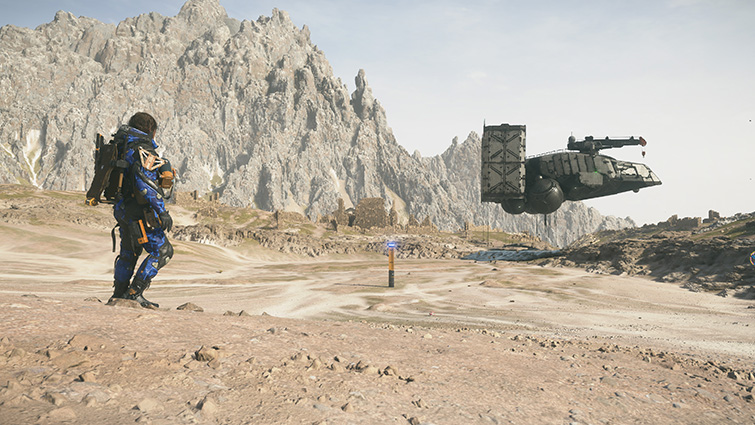
The PC version of the game adds so much more to the experience than the PS5 version. There’s ultrawide support (up to 32:9) and unlocked framerates for starters. Upscaling and AI frame generation via Nvidia DLSS, AMD’s FSR and Intel’s XeSS allow high-fidelity visuals and smooth frames even on more modest systems, including handheld PCs. Players with high-spec machines can enjoy advanced ray tracing options for ambient occlusion and reflections. I played the game with an Xbox Series X controller, but you can use a keyboard and mouse or a PlayStation 5 DualSense controller with adaptive triggers.
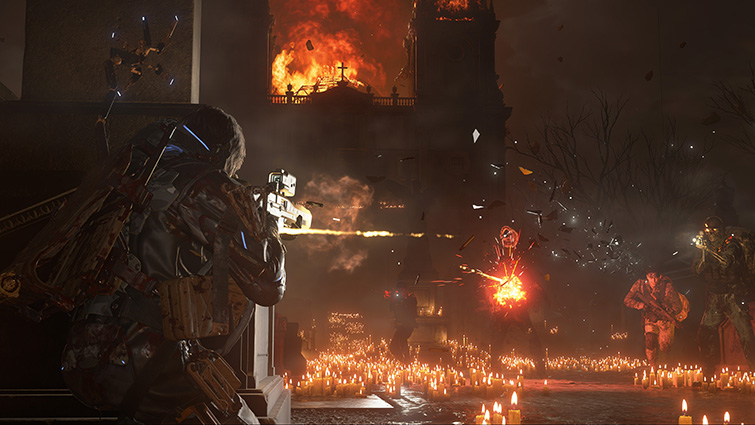
Death Stranding 2: On the beach is an experience whose only peer is the game’s predecessor. If you liked the first one, you will likely like this one as well. If you were on the fence last time, this sequel does iron out a few of the kinks. But it’s still a strange game that I found myself wanting to like more than I actually did.
Rating: Good